A Summary of the Book of Giants: Echoes from the Nephilim
By Juan Fermin
December 25, 2025
Among the most intriguing discoveries in the Dead Sea Scrolls are the fragments of an ancient text known as the Book of Giants—an apocryphal work that expands directly on the story of the Watchers and their hybrid offspring, the Nephilim giants, as introduced in the Book of Enoch.

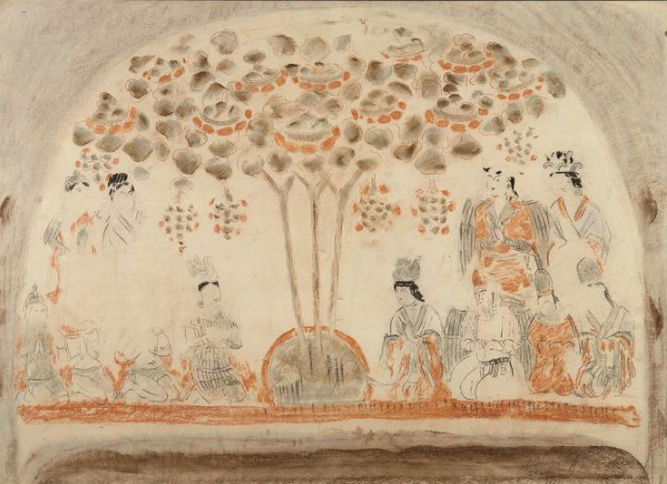
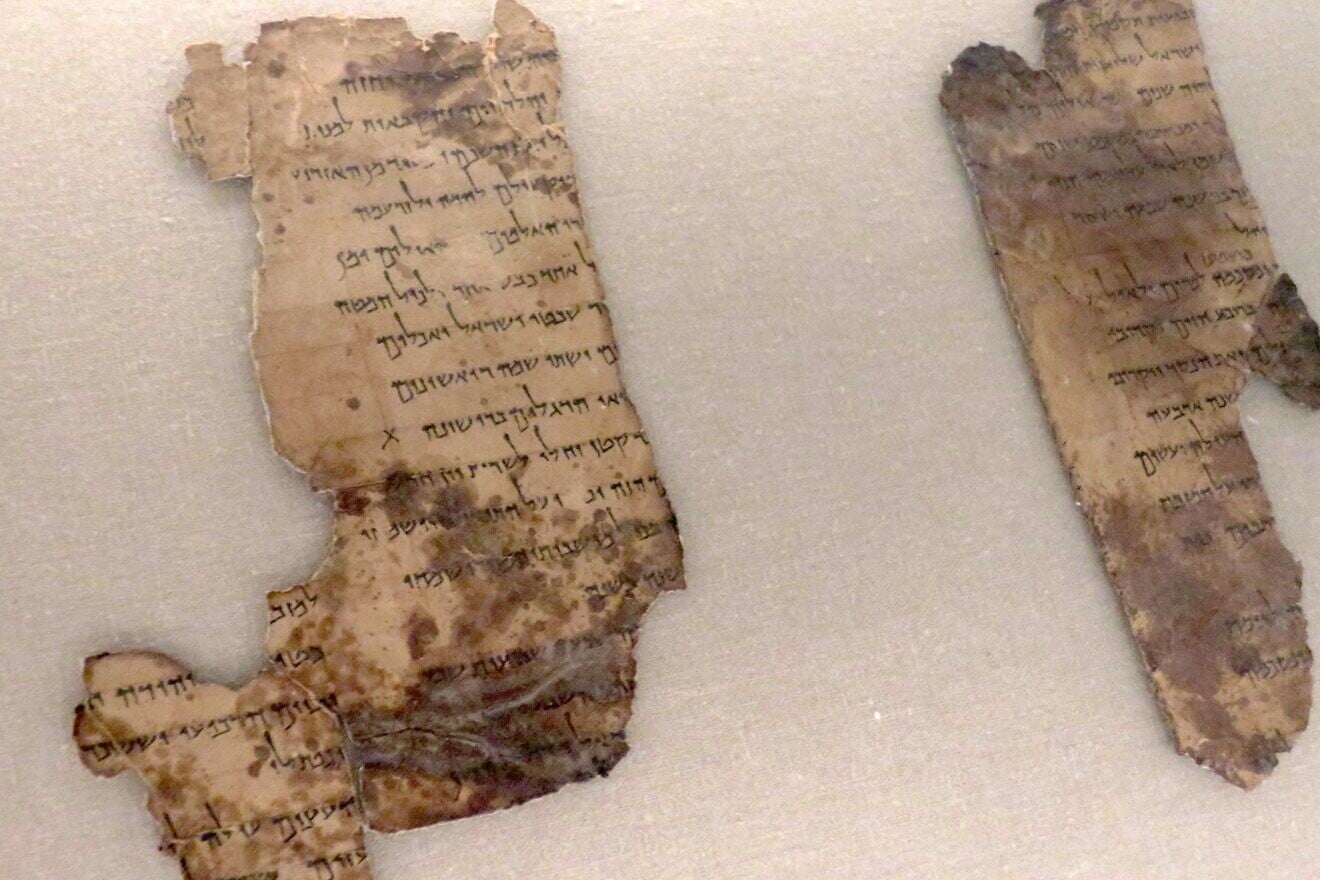
Composed in Aramaic (with some Hebrew elements) likely during the 3rd–2nd century BCE, this text was preserved in at least ten manuscripts found in Qumran Caves 1, 2, 4, and 6 (cataloged as 1Q23, 2Q26, 4Q203, 4Q530–532, 4Q556, 4Q206, and 6Q8). Though highly fragmentary—leaving us with only pieces of the original narrative—it fills in vivid details missing from 1 Enoch, focusing on the lives, dreams, and ultimate fate of the giants themselves.
The Book of Giants picks up the Enochic tradition: the fallen Watchers descend, take human wives, and sire monstrous offspring who ravage the earth with violence, consuming humans, animals, and resources in their insatiable hunger. Named giants include Ohya, Ahya (or Hahya), Mahaway, and even figures borrowed from ancient lore like Gilgamesh and Hobabish—suggesting influences from Babylonian epics.
Key episodes preserved in the fragments:
- The giants receive disturbing prophetic dreams foretelling divine judgment and the coming Flood. In one famous section (from 4Q530), a giant dreams of a garden washed away by waters, symbolizing the destruction of their kind.
- Enoch, as heavenly scribe and intercessor, delivers warnings from God to the Watchers and their sons, calling them to repentance (though it's too late).
- The giants engage in battles among themselves and panic as angelic forces (led by figures like Raphael) begin their punishment.
- Their spirits, after physical death in the Flood, become evil demons haunting the earth—a direct explanation for post-Flood demonic activity (echoing 1 Enoch 15:8–12).
This text was highly regarded in the Qumran community, circulating alongside multiple copies of Enoch. Later, it influenced Manichaean writings, where Mani incorporated a version into his teachings. Unlike the broader visionary scope of Enoch, the Book of Giants zooms in on the giants' perspective, humanizing (in a monstrous way) these agents of pre-Flood corruption and underscoring the consequences of forbidden angelic unions.


It ties directly into the themes we've explored here—hybrid bloodlines, lingering Nephilim influence, and the spiritual war that carried over into biblical giants like those in Canaan.
Sources:
- Dead Sea Scrolls fragments (DJD editions, Stuckenbruck's The Book of Giants from Qumran)
- Related: 1 Enoch 6–16; Genesis 6:1–4
Now, a question for you, our readers: Many of you have appreciated the video series narrating the full text of the Book of Enoch. The Book of Giants, though fragmentary, offers powerful complementary insights when reconstructed from the Qumran pieces. Would you like to see a similar video series—reading and explaining the surviving fragments in order? Let me know in the comments!
The records endure for those who dig deeper.