The Forgotten Star: The Watchers’ Announcement and the Birth of the Promised Seed
By Juan Fermin-December 25, 2025
In the suppressed traditions preserved outside the canonical Scriptures—texts like the Book of Enoch and the Protoevangelium of James—the event we celebrate as Christmas carries a far deeper significance than the sanitized version passed down through modern tradition. The "Star of Bethlehem" was not merely a convenient astronomical sign. It was a divine proclamation, a luminous signal from the heavenly realms announcing the arrival of the one foretold to reverse the ancient corruption introduced by the fallen Watchers.

To understand this, we must return to the beginning of the conflict.
In the Book of Enoch, chapters 6–11 detail how a group of angels, known as the Watchers, descended to Earth, took human wives, and produced hybrid offspring—the Nephilim giants. This act corrupted the human bloodline and introduced forbidden knowledge, sparking an ongoing war over humanity's genetic and spiritual heritage. God judged the Watchers, binding them until the final day, but their influence lingered through tainted lineages.
This corruption traces back even further, to the serpent in Eden. Genesis 3:15 records God's first prophecy after the fall: "And I will put enmity between thee and the woman, and between thy seed and her seed; it shall bruise thy head, and thou shalt bruise his heel." Known in ancient Christian tradition as the Protoevangelium—the first gospel—this verse promises a singular male descendant of the woman who will deliver a fatal blow to the serpent's head, while suffering a wound Himself.
The birth in Bethlehem was the fulfillment of that ancient promise: the incarnation of the pure Seed, born through an uncorrupted line, to reclaim humanity from the serpent's grip.
The Protoevangelium of James, a second-century text expanding on the nativity accounts, describes the journey to Bethlehem and the birth in a cave—a detail echoed in early traditions like those of Justin Martyr. But when we connect this to the visions in the Book of Enoch, the Magi's role becomes clearer.
The Magi were not random kings but initiates in ancient wisdom traditions, likely descendants of Persian priest-astronomers who preserved knowledge from faithful angelic sources (as opposed to the rebellious Watchers). They recognized the star as the sign of the Promised Seed's arrival.
Their gifts were no accident. Gold symbolized divine kingship. But frankincense and myrrh? In the Book of Enoch, chapters 28–32, Enoch beholds visionary paradise landscapes with "choice trees" producing fragrant resins: "There I beheld choice trees, particularly those which produce the sweet-smelling drugs, frankincense and myrrh" (1 Enoch 28:2). These sacred aromatics, described in Enoch's heavenly journeys, represent purity, eternal life, and offerings reserved for the divine—foreshadowing the child's role in restoring access to the Tree of Life lost in Eden.
Herod's subsequent massacre of the innocents (Matthew 2:16–18) fits this larger pattern: a desperate attempt by earthly powers, perhaps influenced by lingering corrupted influences, to eliminate the threat to the old order.
Imagine a fragment from the Dead Sea caves—much like the Enoch scrolls discovered at Qumran—describing the star not as a comet or conjunction, but as a portal of light opened by loyal angelic hosts, counterparts to the fallen Watchers, heralding the victory foretold since Genesis.
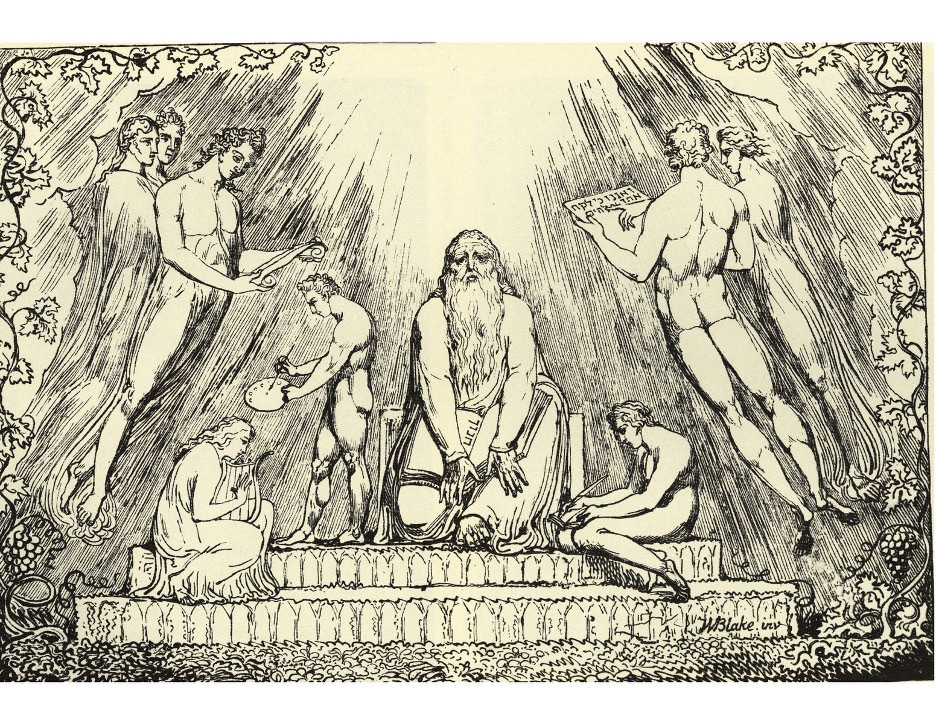
Today, the deeper meaning has been largely erased, reduced to sentimental holiday traditions. Yet the ancient texts preserve the truth: this was a pivotal battle in the cosmic war over human DNA and destiny.
This Christmas, look beyond the commercial veneer. Remember the manger as the entry point of the one who came to crush the serpent's head and redeem the lost heritage of humanity.
Sources drawn from:
- Book of Enoch (Ethiopic version, R.H. Charles translation)
- Genesis 3:15
- Protoevangelium of James
- Matthew 2
The records are there for those who seek them.